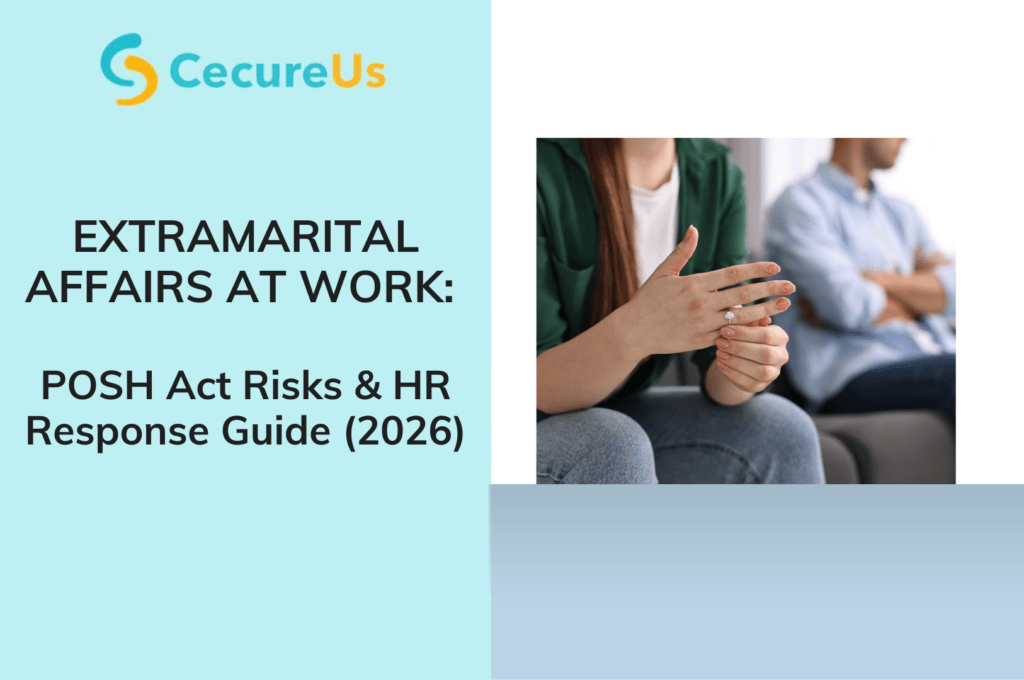
 Extramarital affairs are often seen as private matters, a breach of personal trust between individuals. However, when these relationships enter the workplace, they cease to be private. They evolve into a significant organizational risk — eroding trust, blurring professional boundaries, and destabilizing team dynamics.
For leaders and HR professionals, when personal conduct crosses into the professional sphere, it transforms into a critical workplace challenge that can no longer be ignored.
Workplace Vulnerabilities: Proximity, Power, and Opportunity
Research consistently shows that workplace infidelity is rarely about finding new love. More often, it stems from personal dissatisfaction, unresolved emotional needs, or a desire for escape and thrill.
The modern workplace often becomes an incubator for vulnerabilities that lead to such affairs:
- Proximity and Emotional Closeness
Employees spend long hours together, often navigating high-pressure situations and tight deadlines. A Mayo Clinic study highlights that shared time and mutual support can blur the lines between collegial and personal relationships.
- Power Dynamics
Workplace hierarchies can create unhealthy power imbalances. The authority of senior employees can be misused, leading to coercive relationships where consent becomes questionable.
- Thrill-Seeking and Secrecy
The clandestine nature of forbidden relationships can make them seem exciting and adrenaline-fueled, increasing risk-taking behavior at work.
Insight: As per the Society for Human Resource Management (SHRM), workplace affairs can disrupt team cohesion, reduce productivity, and damage organizational reputation.
The Organizational Fallout: Risks That HR Cannot Ignore
When personal relationships spill into the workplace, organizations face multi-layered risks.
- Legal and Compliance Risks Under the PoSH Act
Under the Sexual Harassment of Women at Workplace (PoSH) Act, 2013, even consensual relationships can create legal complications:
- Hostile Work Environment: An affair that makes other employees uncomfortable may lead to PoSH complaints.
- Abuse of Power: Senior-junior relationships are red flags. If the relationship ends, actions like negative appraisals or denied promotions can be viewed as retaliation.
- Quid Pro Quo Harassment: Favoritism arising from workplace affairs can lead to allegations of implicit sexual harassment if professional benefits are linked to personal relationships.
- Cultural Erosion and Distrust
Poorly managed workplace affairs often lead to gossip, lowered morale, and employee disengagement. A toxic environment emerges, damaging psychological safety.
- Reputational Damage
In the age of social media, workplace scandals spread fast, impacting brand trust, investor confidence, and client relationships.
- Operational Disruption
Conflicts of interest, team friction, and divided loyalties derail projects, reduce efficiency, and strain collaboration.
A Wake-Up Call from the Front Lines
This issue is far from theoretical. Viji, CEO of the HR consulting firm CecureUs, recently shared a stark statistic from their work: in a single week, the firm encountered eight different cases of sexual harassment across organizations. This shocking number is a clear signal that organizations must urgently rethink their preventive strategies.
The revelation prompted a broad online discussion, where professionals identified key catalysts for this behavior, echoing established research:
- Enabling Workplace Culture: Extended work hours and intense collaboration were cited as major factors in blurring personal and professional lines.
- Personal Dissatisfaction: Many agreed that emotional gaps or unresolved issues at home are frequently acted out in the workplace.
- Organizational Gaps: A lack of clear policies, inconsistent accountability, and fear of retaliation create an environment where such conduct can occur without consequence.
As one commenter aptly noted, the behavior is analogous to smoking: “Everyone knows it can backfire, yet people indulge—often with lasting consequences.”
Beyond the Handbook: HR’s Framework for Prevention
Having policies hidden in an employee handbook is no longer enough. HR leaders must adopt a proactive approach to managing workplace relationships and safeguarding organizational culture.
- Establish a Clear Code of Conduct
Define policies on workplace relationships, conflicts of interest, and PoSH compliance. Make them easily accessible to employees.
- Promote Continuous Awareness
Regular training and workshops should cover:
- Professional boundaries
- Consent and respect
- PoSH Act compliance
- Reporting protocols
- Provide Safe and Confidential Reporting
Ensure employees can report misconduct securely through the Internal Committee (IC) or anonymous channels.
- Apply Consistent Accountability
From junior employees to senior leadership, consequences must be uniform. Unequal enforcement erodes trust in HR.
- Conduct Regular Culture Audits
Assess workplace culture frequently to ensure values of trust, respect, and safety are being lived — not just written.
Final Thoughts
Extramarital affairs in the workplace may start as personal choices, but once they affect team dynamics, legal compliance, and company reputation, they become an organizational challenge.
HR’s role is not to police private lives but to protect the workplace environment. By promoting respect, dignity, and trust, organizations can safeguard their people, culture, and brand.
References:
- https://timesofindia.indiatimes.com/life-style/relationships/love-sex/12-reasons-why-people-have-extramarital-affairs/articleshow/47418028.cms,
- https://pmc.ncbi.nlm.nih.gov/articles/PMC10002055/,
- https://www.mayoclinic.org/healthy-lifestyle/adult-health/in-depth/infidelity/art-20048424,
- https://www.sciencedirect.com/science/article/abs/pii/S0165176512005307,
- https://www.shrm.org/in/topics-tools/news/employee-relations/extramarital-affair-work,
- https://www.citehr.com/114190-navigating-office-drama-how-should-we-handle.html,
- https://markmanson.net/why-people-cheat